刘星
简介
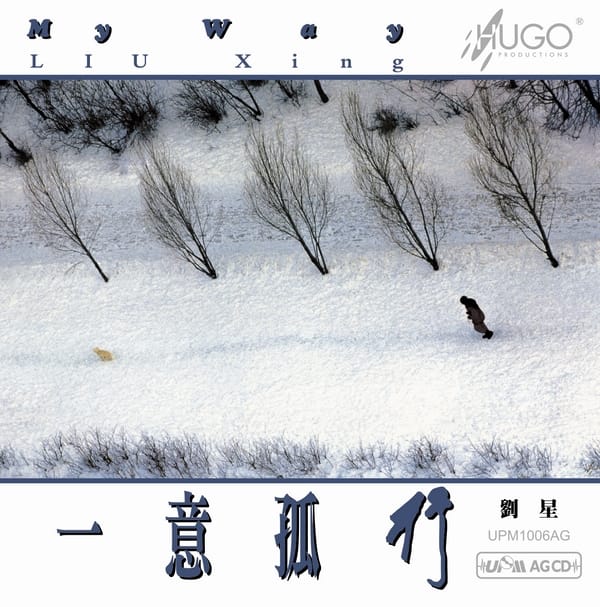
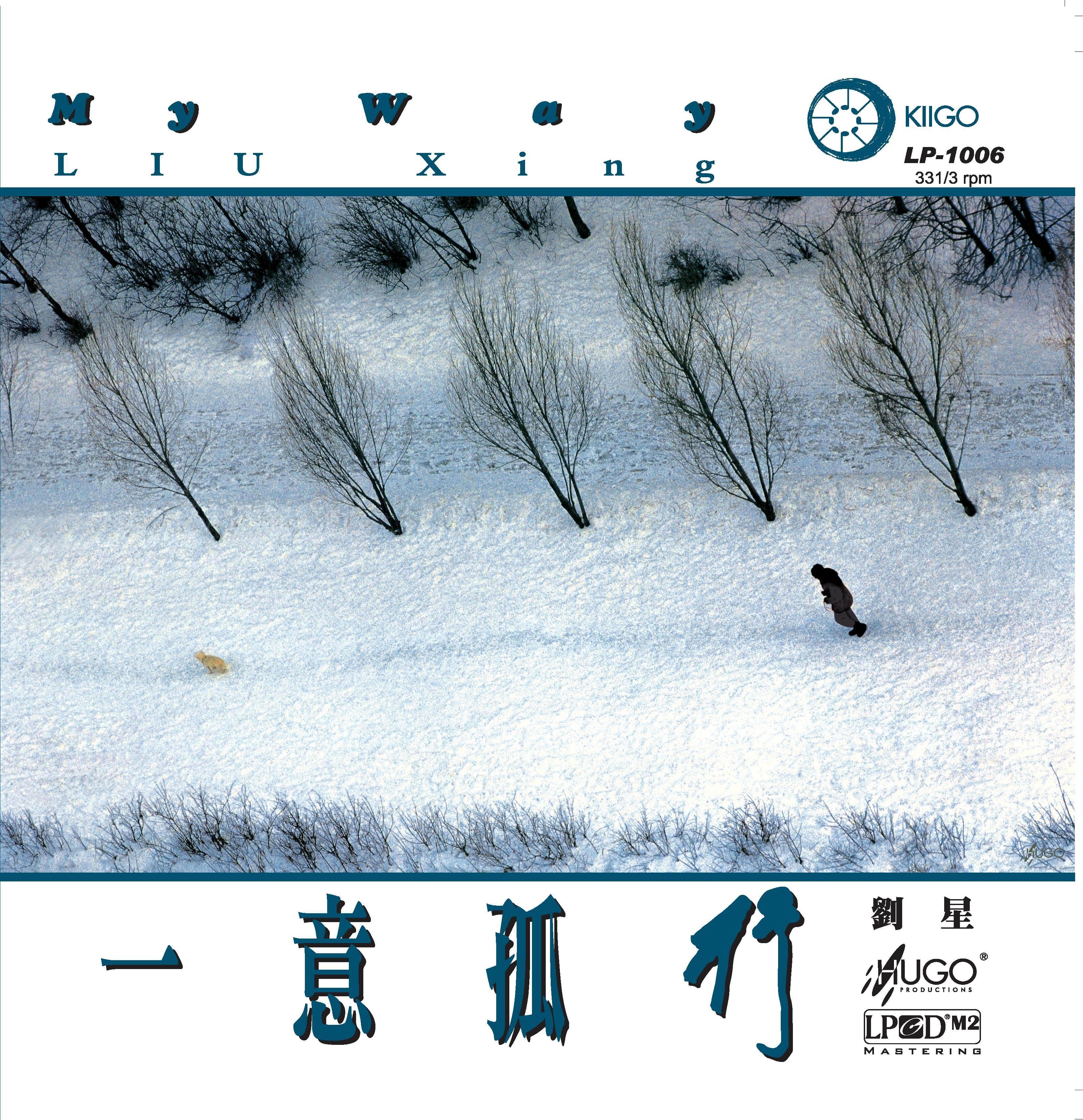
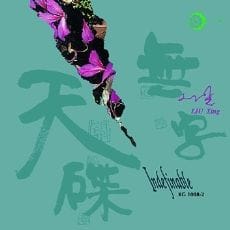
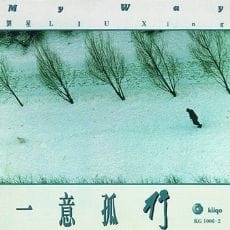
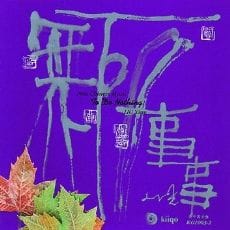
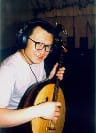
<p> 1962年出生,1974年开始师从月琴演奏家冯少先学月琴,1978年考入上海音乐学院民乐系,1982年以月琴专业毕业,现在为自由音乐职业者。<br /> <br /> 刘星不仅擅长中阮、月琴演奏,还具有非凡的创作才华,作品涉及交响乐、民乐及影视音乐,今年还对新音乐创作有大胆尝试。他曾创作了颇具影响的中阮协奏曲“云南回忆”,其它主要作品有月琴与乐队的室内乐“天地之间”第一、三、五号、民乐作品“动物组曲”、慢板交响乐“无形之梦”、扬琴协奏曲“云谁之思”等及大量New Age音乐。<br /> <p> LIU Xing <p> Born in 1962, in Heilongjiang (formerly Manchuria), LIU Xing began studying the yueqin at the age of twelve, and by the age of 16 he was admitted to the Shanghai Music Conservatory. After composing Desert Night for solo zhongruan, he transferred to the composition department, but was expelled for failing the examinations in harmony, counterpoint and form, so he returned to the instrumental department and graduated in 1982. In 1984 he was appointed to work in the Opera House of Heilongjiang Province where he premiered his Chinese Orchestral Symphony No.2 in Harbin and a year later became the keyboard player of the Dongfang Music and Dance Troupe. Anchored by a solid grounding in Chinese and western classical music, LIU Xing has composed many orchestral works; Chinese Orchestral Symphony No.2 (1984), Animal Suites (1986) for various plucked-string instruments, Zhongruan Concerto – “Reminiscences of Yunnan” (1987), Violin Concerto (1989), Mono-movement Adagio for Symphony Orchestra (1990), Erhu Concerto (1991) and Symphony No.3 (1997). LIU Xing is quickly becoming recognized as the pacesetter of China’s contemporary world music scene and is now riveting the attention of audiences around the world. His contemporary world and new age recordings for the KIIGO label include, To Do Nothing (1991), My Way (1992), Indefinable (1993) and The Fading Village (1999). He has been living in Shanghai since 1993. <p>